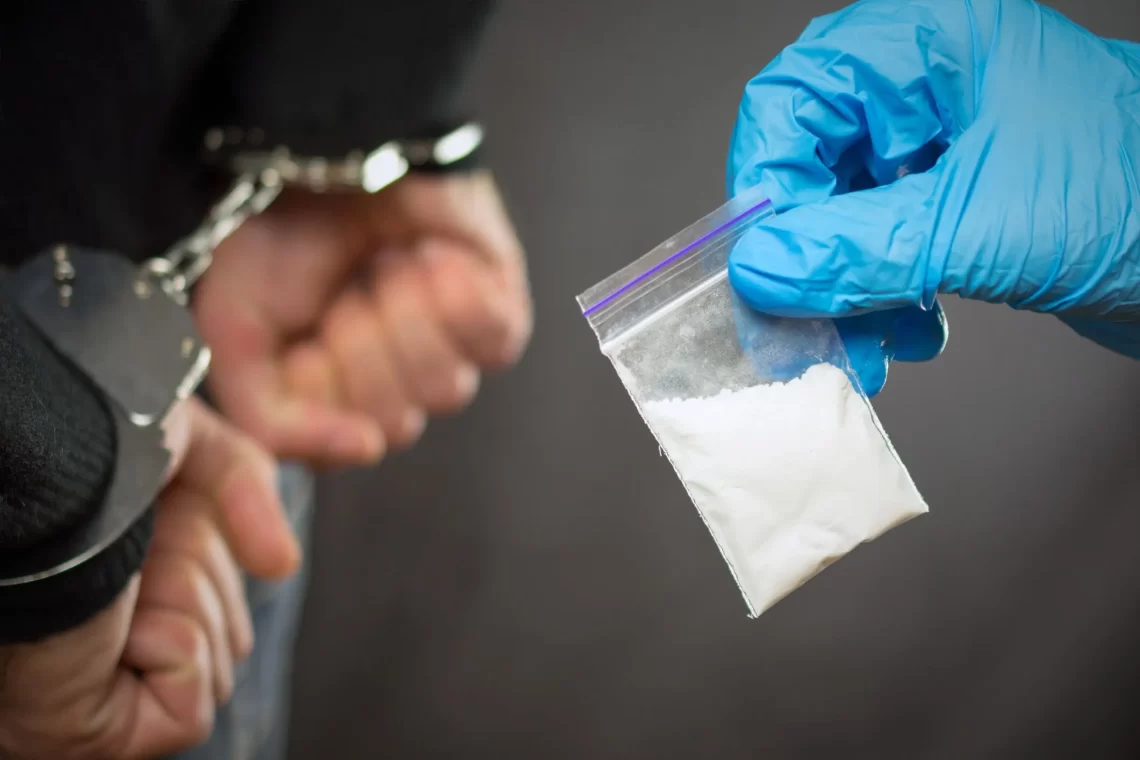
When facing drug use charges, securing experienced legal representation is essential. The legal system can be complex and intimidating, and without proper guidance, the consequences can be severe. A law firm specializing in drug-related cases understands the nuances of these charges and can provide the best defense strategies. Having a skilled attorney by your side can make a significant difference in the outcome of your case, ensuring your rights are protected and that you receive fair treatment.
Understanding the Seriousness of Drug Use Charges
 Drug use charges can carry life-altering penalties, ranging from fines and probation to imprisonment. The severity of these penalties often depends on the circumstances surrounding the case, such as the type and amount of the substance involved, prior convictions, and whether there was an intent to distribute. Even a minor charge can have lasting repercussions, including a criminal record that affects employment opportunities, housing options, and social relationships. Navigating these complexities alone can be overwhelming, making legal representation a necessity rather than an option.
The Role of a Drug Use Charges Law Firm
A law firm specializing in drug-related cases provides invaluable support to those accused of drug use offenses. Attorneys in this field have in-depth knowledge of state and federal drug laws, allowing them to assess the strength of the prosecution’s case and identify weaknesses that could lead to reduced charges or even dismissal. They analyze evidence, question law enforcement procedures, and ensure that constitutional rights were not violated during the arrest or investigation.
Legal professionals also negotiate plea deals when necessary, potentially reducing penalties and minimizing long-term consequences. Their expertise helps defendants understand their legal options, empowering them to make informed decisions about their case. Without this guidance, individuals risk making costly mistakes that could impact their future.
Defending Against Drug Use Allegations
There are several defense strategies that an attorney may use to challenge drug use allegations. One common approach is questioning the legality of the search and seizure that led to the charges. If law enforcement officers violated constitutional rights by conducting an unlawful search, the evidence obtained may be inadmissible in court.
Another defense involves disputing the accuracy of drug test results. Errors in testing procedures, contamination, or mishandling of samples can all cast doubt on the validity of the prosecution’s claims. Additionally, a lawyer may argue that the defendant had no knowledge of the drugs in their possession or was a victim of entrapment. Each case is unique, and an experienced attorney tailors the defense strategy to fit the specific circumstances.
The Consequences of Navigating the Legal System Alone
 Attempting to handle drug use charges without legal representation can be risky. The legal system is designed with complex rules and procedures that can be difficult to understand without legal training. Prosecutors have extensive resources to build strong cases, and without a defense lawyer, individuals may find themselves at a significant disadvantage.
Self-representation can lead to unintentional admissions of guilt, missed deadlines, and an inability to properly challenge the prosecution’s evidence. Many individuals accept plea deals without fully understanding the consequences, which may result in unnecessarily harsh penalties. Having an attorney ensures that defendants have an advocate fighting for their best interests, increasing the likelihood of a favorable outcome.
Why Early Legal Intervention Matters
Seeking legal representation as soon as possible can significantly impact the direction of a case. From the moment of arrest, an attorney can provide guidance on what to say and what not to say, preventing self-incrimination. They can also work to secure bail, allowing the accused to remain free while awaiting trial.
Early intervention allows lawyers to begin gathering evidence, interviewing witnesses, and building a strong defense strategy. In some cases, early negotiations with prosecutors can lead to charges being reduced or dismissed before they even reach trial. The sooner legal assistance is obtained, the better the chances of achieving a positive resolution.